
Blow-In Insulation in Arizona
Blown-in fiberglass and cellulose attic insulation, installed to code R-values.
Blow-In Insulation for Scottsdale Homes
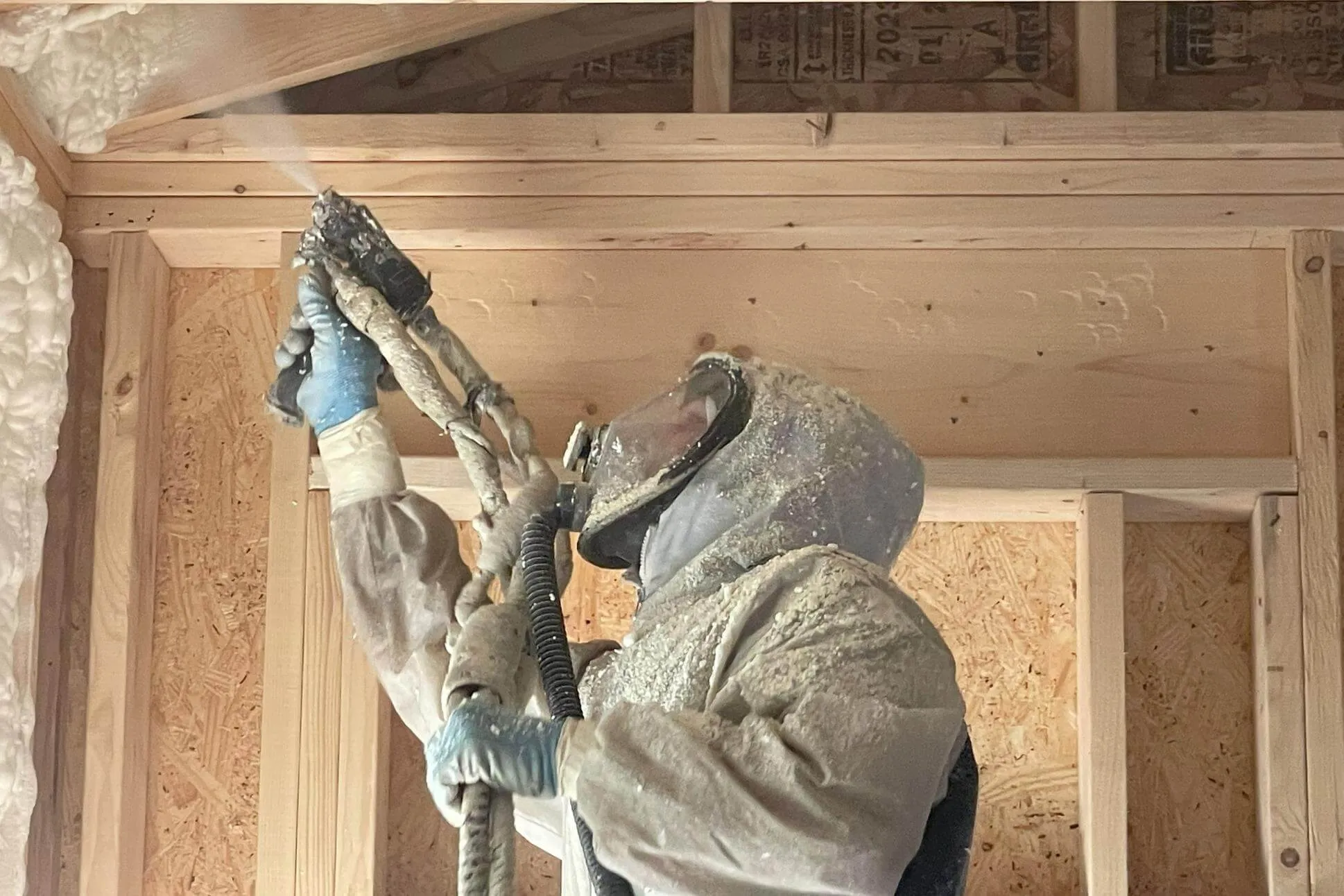
Scottsdale Spray Foam Insulation installs blown-in insulation in attics and wall cavities throughout Scottsdale and the surrounding northeast Valley communities. Blow-in insulation, also called loose fill or blowing wool, is the fastest and most cost-effective way to bring an under-insulated attic up to current performance levels. Most attic jobs are finished in a few hours, and the difference in upstairs comfort is often noticeable the same evening. Call (480) 660-2705 to schedule a free estimate.
If your home was built before 2000, there is a good chance your attic insulation has settled, shifted, or was thin to begin with. Original insulation in many Scottsdale ranch homes measures a few inches deep where code now expects well over a foot. Topping off with blown fiberglass or cellulose is usually the single highest-value energy upgrade available for those houses, because the attic is where desert heat does the most damage.
We install both blown fiberglass and blown cellulose, and we will recommend one based on your attic layout, your budget, and what is already up there. Call (480) 660-2705 and we will measure your current depth and give you a straight answer.
What Blow-In Insulation Is and How It Gets Installed
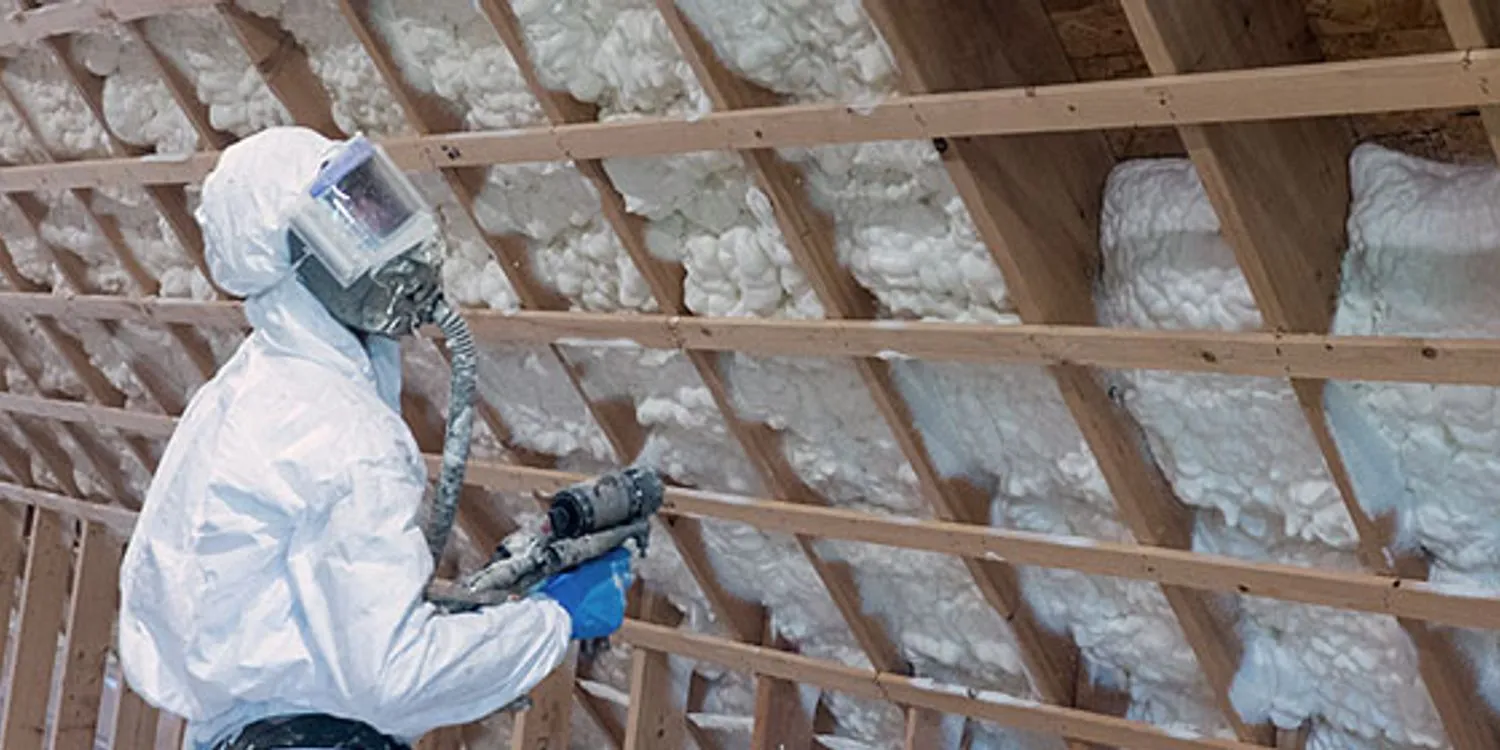
Blow-in insulation is loose fibrous material, either fiberglass or cellulose, that is fed into a blowing machine outside your home, pushed through a long hose, and distributed across the attic floor by a technician. The material falls into place around joists, wires, plumbing, and ductwork, filling spaces that pre-cut batts never fit well. Depth markers are placed throughout the attic so the installed depth, and therefore the R-value, can be verified after the job is done.
The same equipment can dense-pack insulation into enclosed wall cavities through small holes drilled from inside or outside the home, which is how finished walls get insulated without tearing out drywall. That application matters in older Scottsdale homes with uninsulated block-adjacent frame walls or additions that were never properly insulated.
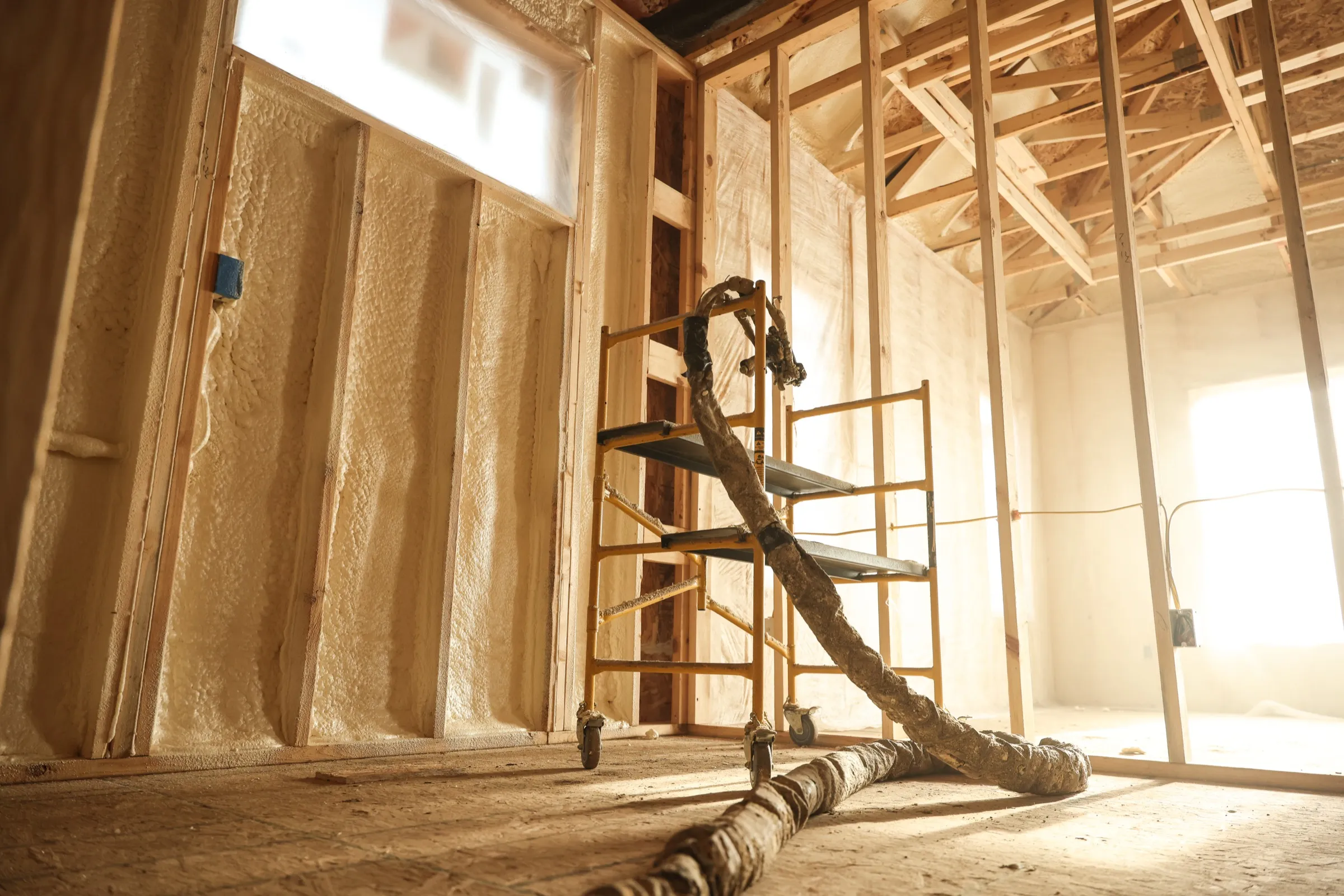
Installation is fast and the mess stays outside or in the attic. The hose comes in through a window or door, the machine stays at the truck, and the only thing that enters your living space is the hose itself. Most single-story Scottsdale attics take two to four hours from arrival to cleanup.
Blown Fiberglass vs. Blown Cellulose
Blown fiberglass, sometimes called blowing wool, delivers roughly R-2.2 to R-2.7 per inch installed. It is made from spun glass fibers, does not absorb moisture, does not settle much over time, and is not attractive to pests. Because it is lighter per inch of R-value, it puts less weight on your ceiling drywall, which matters in older homes. Fiberglass is white or pinkish in color and looks fluffy once installed.
Blown cellulose delivers roughly R-3.2 to R-3.8 per inch and is made from recycled paper treated with borate for fire and pest resistance. It is denser than fiberglass, which gives it better resistance to air movement within the material and makes it the better choice for dense-packing walls. The tradeoffs are that cellulose settles somewhat over time, so it gets installed at greater initial depth to compensate, and it is heavier on the ceiling at equivalent R-value.
Both products perform well in Scottsdale attics when installed to proper depth. Fiberglass tends to be the default for open attic blow applications here because of the weight and settling factors. Cellulose tends to win for enclosed wall cavities. We install both and have no reason to push one over the other beyond what your house actually needs. Call (480) 660-2705 to talk through the options.
Attic Heat in Scottsdale and Why Depth Matters
Attic temperatures in the Scottsdale area regularly exceed 140 to 150 degrees on summer afternoons. That heat presses down on your ceiling all day and well into the evening, which is why upstairs rooms stay warm long after sunset and why air conditioners run constantly from June through September. Insulation depth is your ceiling's defense against that heat load, and current energy code for this climate zone calls for R-38 in most attic assemblies.
Getting to R-38 with blown fiberglass takes roughly fourteen to seventeen inches of installed depth. With cellulose it takes roughly ten to twelve inches. If your attic currently has three or four inches of old material, you are living under something like R-11 to R-13, and the gap between that and R-38 is exactly what your summer electric bill is paying for.
Depth also matters because insulation only performs to its rating when coverage is complete. Thin spots, bare patches around the attic hatch, and voids along the eaves act like open windows in the thermal boundary. A proper blow-in job covers the entire attic floor to a consistent, verifiable depth, with dams built around the hatch and baffles kept clear at the soffit vents. Call (480) 660-2705 and we will check your current depth for free.
Air Sealing Before Blowing In New Material
Here is something many insulation quotes skip: blown insulation slows heat flow, but it does not stop air leakage. The gaps around recessed lights, plumbing stacks, top plates, chases, and the attic hatch let conditioned air escape into the attic and let superheated attic air push into the house. Insulating over those leaks without sealing them first leaves a significant part of the problem unsolved.
A quality blow-in job includes air sealing the major penetrations before any new material goes down. That means foam or caulk around top plates and penetrations, covers or sealed boxes for non-IC recessed lights, and weatherstripping on the attic hatch. It adds a modest amount of labor and makes an outsized difference in how the home performs afterward.
This is also the right time to look at ductwork. Ducts in a 150 degree attic with leaky joints are dumping cooled air before it ever reaches your rooms. We will point out obvious duct issues during the estimate so you can decide whether to address them alongside the insulation. Call (480) 660-2705 to schedule an attic evaluation.
Blow-In Insulation for Existing Homes and Remodels
Most of our blow-in work is retrofit: adding depth to attics in homes that are fully finished and occupied. The process requires nothing from you beyond access to the attic hatch and a cleared path for the hose. Furniture stays in place, and the work happens entirely in the attic. It is one of the least disruptive home improvements you can schedule.
For remodels, blow-in material fits naturally into the sequence. If ceilings are being opened or drywall replaced, we can blow open cavities before the lid goes back on. If walls are being furred out or reframed, dense-pack cellulose can fill those bays for both thermal and sound performance, which is popular for home offices and primary suites.
Garage ceilings are another common retrofit. Blown insulation above the garage keeps the garage itself more tolerable and protects any living space above it. If you are planning a remodel in Scottsdale, Paradise Valley, or Fountain Hills, the cheapest time to insulate is while the walls or ceilings are already open. Call (480) 660-2705 and loop us into the project early.
Blow-In Insulation Cost in Scottsdale
Blow-in insulation is the most budget-friendly way to reach R-38 in an existing attic. As a general picture of typical market ranges in the Scottsdale area, blown attic insulation often runs roughly $1.00 to $2.00 per square foot installed, depending on the material, the target depth, attic access, and whether air sealing is included. A typical single-story attic frequently lands in the low-to-mid four figures, though small attics can come in under that and large or difficult attics above it. These are ranges, not quotes.
Variables that move the price include how much old material is already present, whether any of it needs to be removed first, how many penetrations need sealing, and how tight the attic is to work in. Low-pitch roofs and crowded mechanical spaces take longer, and honest bids reflect that.
We give written estimates with the target R-value and depth spelled out, so you can compare bids on an apples-to-apples basis. Call (480) 660-2705 to get yours scheduled.
Schedule a Blow-In Insulation Estimate
The estimate itself takes about thirty minutes. We pop the attic hatch, measure existing depth in several spots, check ventilation and duct condition, note the penetrations that need sealing, and look for any signs of roof leaks or pest activity. Then we give you a written price for a defined scope: material, depth, R-value, and air sealing included or not, your choice.
Most jobs are completed in a single visit, often within days of the estimate during the off-season. You do not need to be home for the entire install, and the crew cleans up before leaving.
Scottsdale Spray Foam Insulation serves Scottsdale, Paradise Valley, Fountain Hills, Cave Creek, and Carefree. If your house is hard to cool and you suspect the attic is the reason, it usually is. Call (480) 660-2705 and let us prove it with a tape measure.
Real Arizona Projects
Other Insulation Services
Common Questions
Is blow-in insulation a good fit for Scottsdale-area buildings?
Yes. Blow-In Insulation works well for many Scottsdale-area homes and commercial buildings, but the right choice depends on the space, the assembly and how it is used. During a free estimate we confirm whether blow-in insulation or another option fits your building.
How much does blow-in insulation cost?
Cost depends on the area being treated, the material and thickness, access and prep. Estimates are free and given in writing, so you know the price before any work begins.
How long does a blow-in insulation project take?
Most projects are completed quickly once scheduled. Your written estimate includes the expected timeline for your specific Scottsdale-area project.
Want to Know What Your Project Would Cost?
Tell us about the property and we'll help you determine the next step.
Free Written Estimates • No Obligation • Local Arizona Team